
Preventative Dentistry

Sealants
If you’ve recently had a dental procedure, you may have received a sealant treatment. It is a quick and easy procedure that many patients don’t know much about. Sealants are thin plastic coatings that are painted onto the surface of the tooth that help to reduce tooth decay and protect the underlying tooth.
Once sealants are placed, they quickly bond with the surface of the tooth. This plastic coating helps to protect the enamel that covers the tooth on the chewing and grinding surfaces. This process is usually done on the flatter back teeth, such as the molars and premolars, to help protect them from a buildup of bacteria between the cusps of the teeth.
Fluoride Treatment
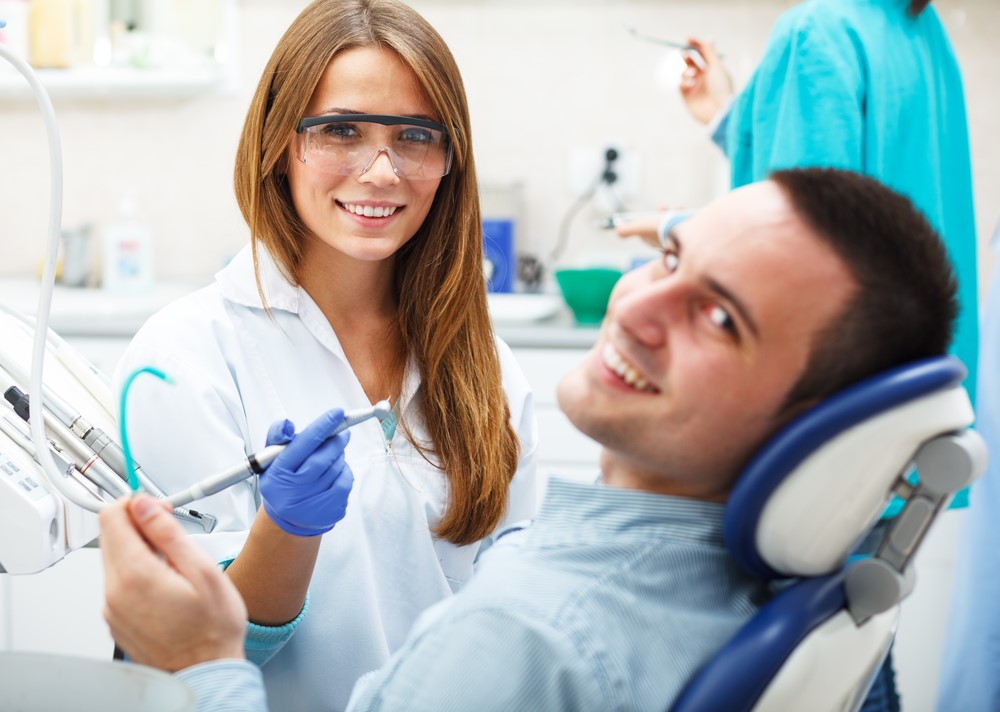
Fluoride is a naturally occurring mineral that helps to strengthen teeth and protect them from cavities caused by dental decay. Dental decay happens when the sugars in the food and drink we consume interact with the bacteria in the mouth and produce a sticky film on the teeth called plaque and plaque acids. If plaque and these acids are not removed from our teeth promptly, they can start to cause damage.
Plaque acids will eventually erode the outermost layer of the tooth, exposing the softer, inner sections which are more sensitive and can cause pain. If decay is left untreated, it can eventually penetrate the pulp, which is the innermost part of the tooth where the roots are located. If the roots become affected by decay, they will be unable to deliver blood and nutrients to the tooth that are needed to keep it healthy, which can result in the tooth dying and falling out or requiring extraction
Oral Cancer Screenings
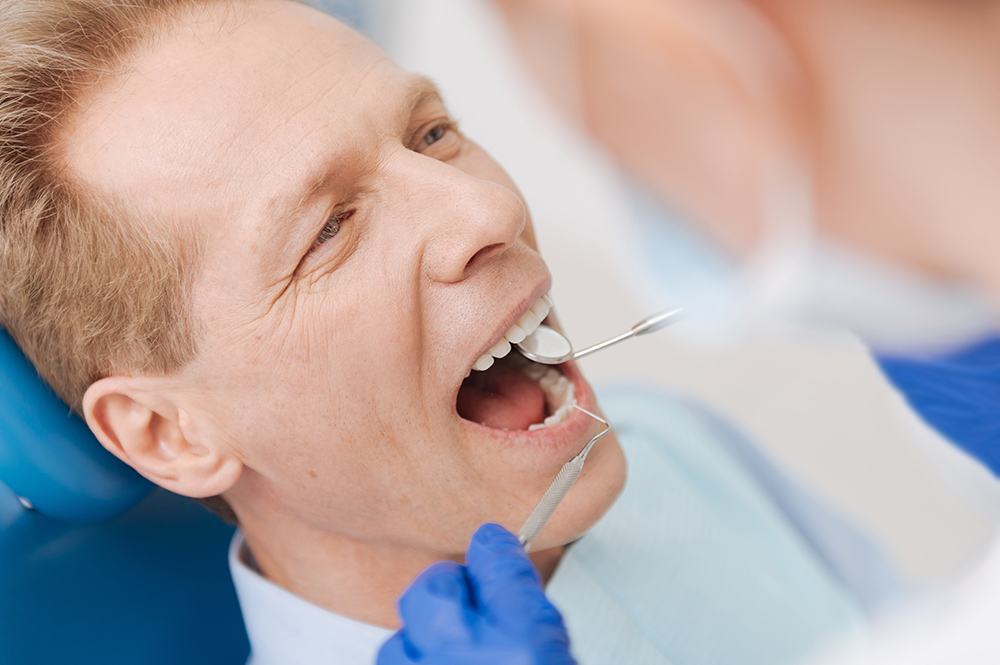
Cancer can affect any area of the body, including the mouth. Research estimates that around 49,000 Americans are diagnosed with oral cancer every year. Of these, just 57% will survive for at least five years following their diagnosis. These are shocking statistics, but the relatively poor outcome of patients is primarily a result of late diagnosis.
Like all cancers, patients have a much better chance of recovering from oral cancer if it is diagnosed early on. However, in many cases, the signs of the disease are not spotted until they have advanced – often after it has metastasized to other areas of the body, such as the lymph nodes. Once any cancer has spread, it is much harder to treat it successfully.

OFFICE HOURS
- Monday 9:30am - 7:30pm
- Tuesday 9:30am - 7:30pm
- Wednesday 9:30am - 7:30pm
- Thursday 9:30am - 7:30pm
- Friday Closed
- Saturday 8:30am - 4:30pm
- Sunday Closed
© 2026 Queens Professional Dental Care, P.C.. All rights Reserved. Accessibility Statement - Privacy Policy - Sitemap
Managed and Designed by
